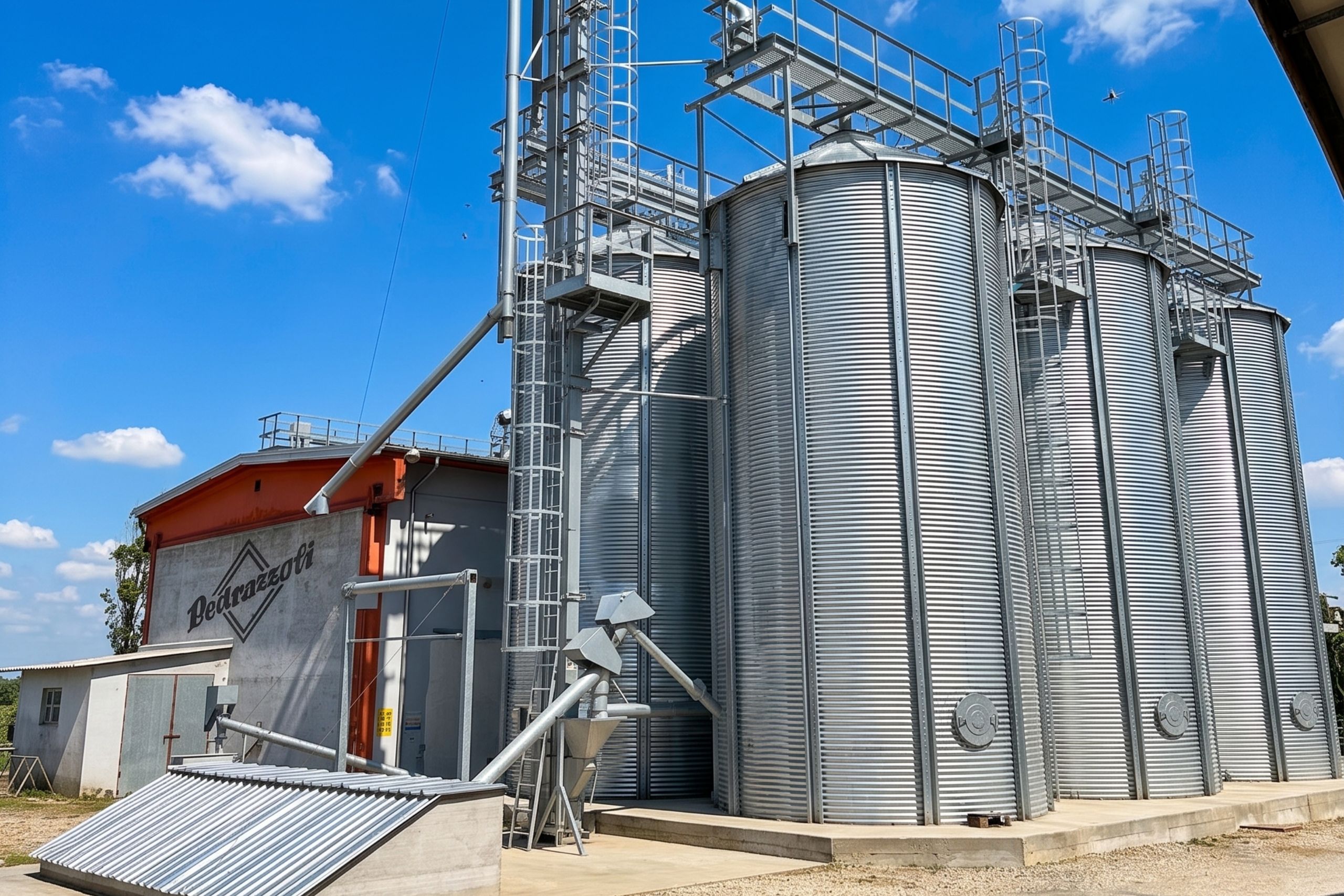
For Salumificio Pedrazzoli, 2026 represents a fundamental step in the company’s history: the year in which the integrated supply chain is completed with the opening of the new feed mill .
This isn’t just a productive investment, but a choice deeply consistent with the vision that has guided the company for generations: controlling every stage of the process, from the land and the livestock, to the processing of the meat and the production of high-quality organic cured meats.
This new addition comes at a particularly significant time: the thirtieth anniversary of PrimaVera Bio , the organic line launched in 1996, when choosing organic cured meats was still a pioneering decision. Today, that choice is confirmed as a solid, concrete, and contemporary path, capable of uniting pork butchering tradition, innovation, animal welfare, and consumer responsibility.
The new company feed mill allows Salumificio Pedrazzoli to further strengthen its concept of an integrated and controlled organic supply chain: a production model in which every step is carefully monitored, starting with the raw materials used for animal feed.
What does integrated supply chain mean?
Talking about an integrated supply chain means describing a production system in which the company doesn’t just transform the raw material, but directly participates in its origin, quality, and evolution.
For Salumificio Pedrazzoli, the supply chain is a daily work method that involves tending the fields, selecting ingredients, feeding the animals, ensuring farm welfare, processing the meat, and producing the cured meats.
The new feed mill closes the loop on this process, offering even more direct control over the pigs’ diet . This allows the company to more precisely manage feed recipes, select the most suitable raw materials, and build a production model consistent with organic principles.
An integrated supply chain ensures greater transparency, because every step can be tracked, verified, and explained. This means knowing where the ingredients come from, how they’re used, their nutritional selection, and how they contribute to the final product’s quality.
The new company feed mill: the final piece of the supply chain
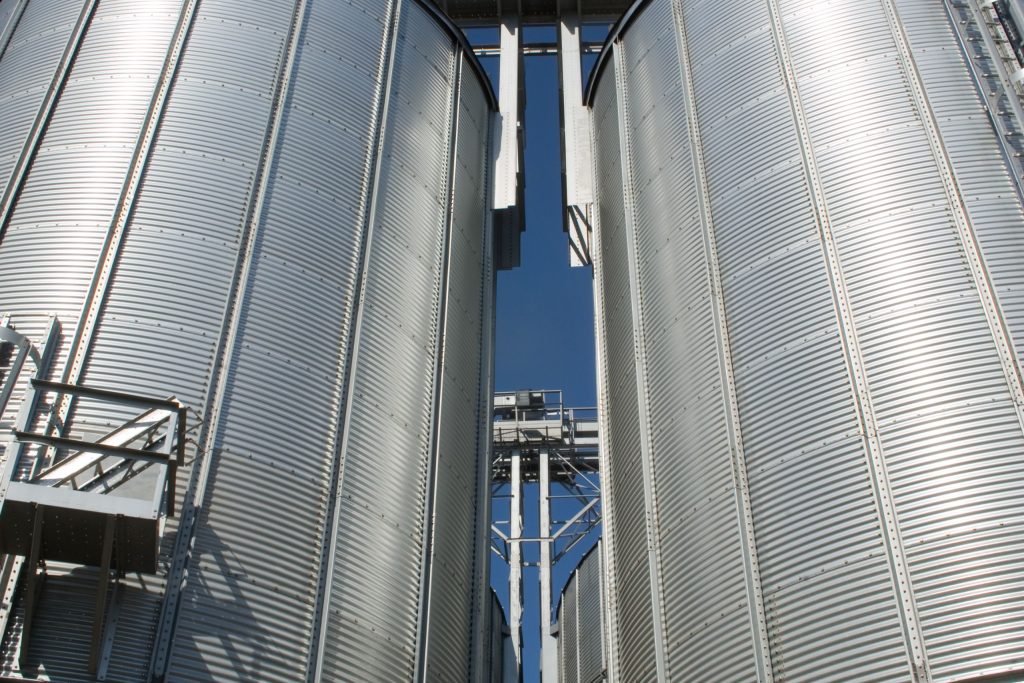
The opening of the new company feed mill represents a decisive step for Salumificio Pedrazzoli. Thanks to this facility, the company can handle the preparation of animal feed in-house, customizing recipes based on the animals’ nutritional needs and the principles of organic farming.
The quality of a cured meat begins long before processing. It depends on the land, the crops, the animal feed, and the conditions in which the animals are raised. For this reason, being able to directly manage the feed phase means having a more complete and in-depth view of the final product.
The feed mill allows us to carefully select the ingredients needed for healthy, balanced nutrition that meets organic standards. Each formula can be designed to promote animal well-being, respect their natural growth cycle, and contribute to high-quality meat.
In this sense, the feed mill is more than just a technical facility. It’s a tool for control, transparency, and consistency. It allows Salumificio Pedrazzoli to strengthen the direct connection between land and animal, a fundamental principle for a company that has chosen organic not simply as a certification, but as its production identity.
What is a feed mill?
A feed mill is a facility specialized in the production of feed, that is, foods formulated to nourish farmed animals in a balanced, safe manner and consistent with their needs.
In the case of the pig supply chain, the feed mill plays a central role because nutrition accompanies the animal through all stages of growth and can influence:
- animal welfare
- healthy and balanced development
- meat quality
- supply chain safety
- qualitative consistency of the final product
A feed is therefore not a simple generic mixture of ingredients, it is a nutritional recipe built on the basis of various factors:
- animal species
- age
- growth phase
- energy needs
- protein intake
- need for fiber, minerals and vitamins
- breeding goals
The raw materials used to produce feed can belong to different categories:
- cereals , such as barley, wheat, sorghum and fava beans
- legumes and plant-based protein sources , such as soy, lupin, carob, flax and sunflower, important for protein intake
- sources of fiber , such as bran, oats, and forages
- oilseeds and fruits , such as rapeseed, peanuts, cotton, copra, and babassu, used as a source of fat and energy
- minerals, vitamins and other nutritional components , inserted to complete the ration and meet the animal’s needs
For Salumificio Pedrazzoli, the new company feed mill represents a strategic step because it brings a crucial phase into the supply chain: pig feeding.
This means being able to monitor more closely:
- the choice of raw materials
- the composition of the recipes
- the quality of nutrition
- consistency with the biological model
- the link between land, animal and final product
In an integrated organic supply chain, the feed mill is more than just a production facility. It’s the point where agricultural raw materials become nourishment and begin to contribute to the quality of the meat from which cured meats are made.
Raw materials: the value of organic farm-owned crops
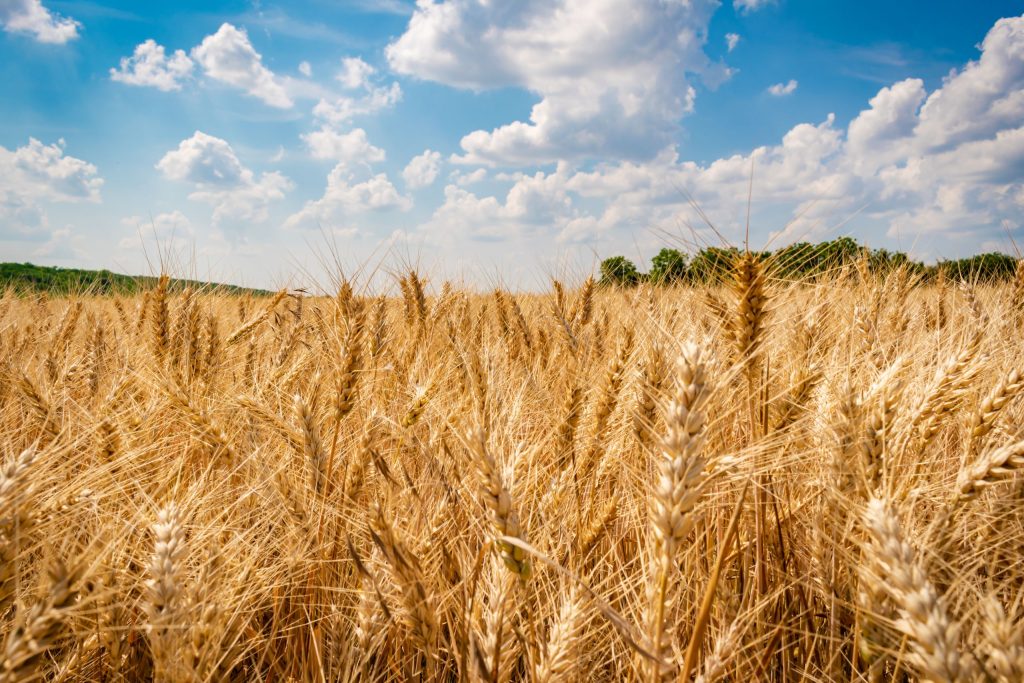
In Salumificio Pedrazzoli’s integrated supply chain model, control begins with the land. The raw materials—such as corn, barley, wheat, sorghum, and fava beans—used to produce pig feed come from organic crops on farms owned by Pedrazzoli or in the surrounding area.
This step is crucial because it allows the company to directly monitor the agricultural origin of the animal feed. The quality of the feed therefore depends not only on the final formulation, but also on the choice of crops, organic field management, and the traceability of raw materials.
In this way, the link between land, animal feed, breeding and the final cured meat becomes even more direct.
What does a feed mill do?
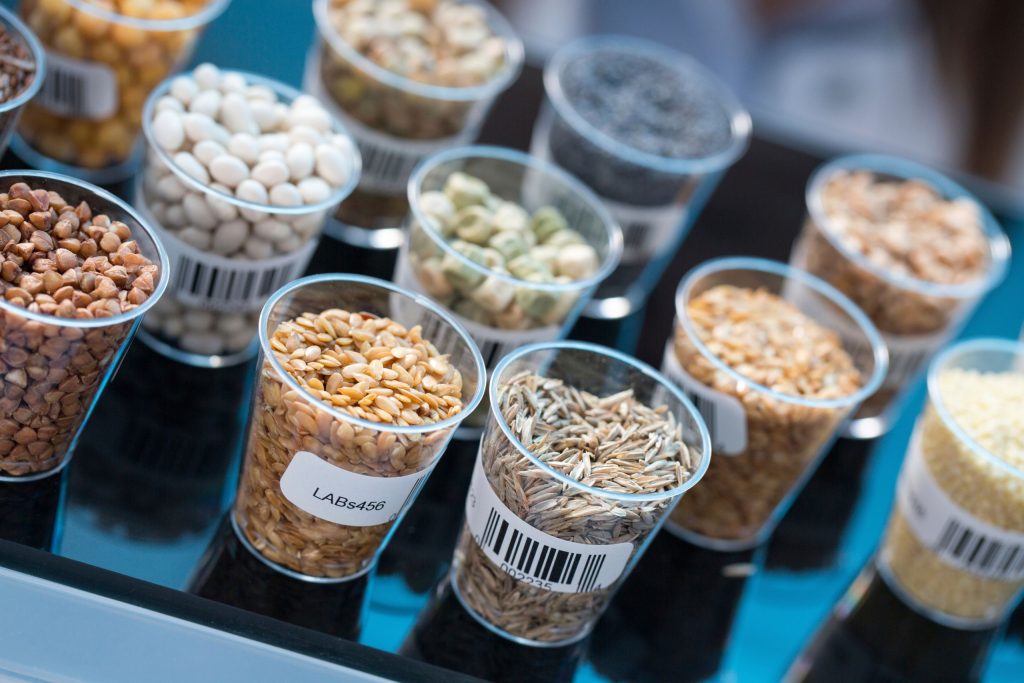
A feed mill transforms agricultural raw materials and nutritional components into complete or complementary feed intended for animal nutrition.
Their work involves more than just mixing ingredients; in fact, feed production involves several technical steps, all important for obtaining safe, consistent, and nutritionally balanced food.
1. Selects and receives raw materials
The first phase involves selecting and receiving the ingredients: cereals, fiber, minerals, vitamins, and other components permitted by the regulations and, in the case of organic products, consistent with the relevant specifications.
This phase is important because the quality of the feed depends first and foremost on the quality of the ingredients used.
2. Check and store the ingredients
After receiving, raw materials must be inspected and stored properly. The feed mill must carefully manage:
- cleaning of the rooms
- correct storage
- humidity
- temperature
- ventilation
- separation of raw materials
- protection from contamination
Improper storage can compromise the quality of the ingredients and, consequently, of the feed.
3. Formulate nutritional recipes
Every feed is born from a recipe.
The formulation serves to establish which ingredients to use and in what quantities, based on the animal’s needs.
A recipe must ensure the right balance between:
- energy
- proteins
- fibers
- fats
- minerals
- vitamins
- other functional nutrients
For Pedrazzoli, being able to formulate recipes in-house means having more direct control over what the animals eat and ensuring their diet is consistent with the company’s organic philosophy.
4. Grind the raw materials
Grinding reduces the raw materials to the desired grain size.
Feed particle size refers to the size of the particles after grinding and is essential for maximizing nutrient digestibility, improving feed conversion, and ensuring animal health. It also influences product flowability in feed processing plants.
Particle size is important because it can influence:
- homogeneity of the mixture
- digestibility
- feed consumption
- food efficiency
- animal digestive health
Grinding is therefore a technical phase that must be precisely controlled and is a key factor in the production of pig feed, as it can impact production efficiency and the sustainability of the farm.
5. Measure the ingredients
Dosage determines the exact amount of each ingredient in the recipe. This step is crucial because an error in dosing can alter the nutritional balance of the feed.
Correctly measured feed allows you to offer the animal a more stable, controlled ration that is consistent with its needs.
6. Mix the feed
Mixing helps distribute all the ingredients evenly. A well-mixed feed ensures that each part of the ration has a homogeneous composition.
This is important because each animal must receive the same balance of nutrients, with no significant differences between batches or within batches.
7. Prevents contamination
The feed mill must monitor potential critical points in the production process. These may include:
- silos
- hoppers
- mills
- mixers
- conveyor belts and systems
- containers
- truck
- tools
- work environments
Correct management of plants and production lines serves to reduce the risk of contamination and keep the feed safe.
8. Ensures traceability and control
Every batch of feed must be traceable and this means knowing:
- which raw materials were used
- where they come from
- in which recipe were they inserted
- in what quantity
- which animals are they intended for?
- when they were produced
Traceability is essential because it makes the supply chain more transparent and controllable.
Animal nutrition and meat quality: a direct link
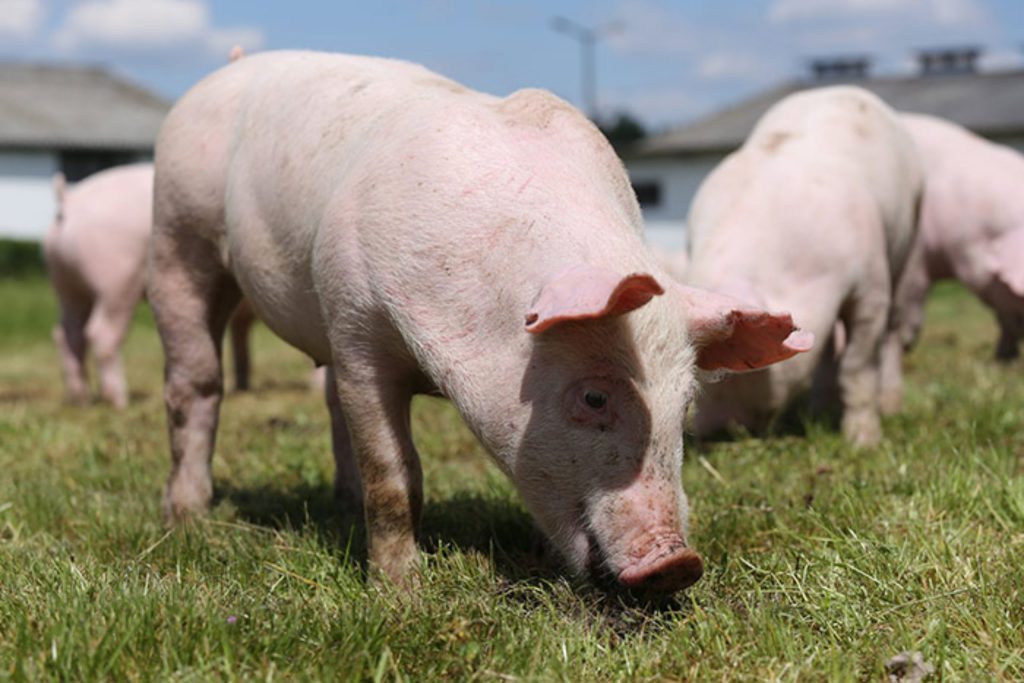
One of the most important aspects of the new feed mill concerns the relationship between animal feed and meat quality .
Meat is never a one-off. It’s the result of the animal’s life, its environment, its diet, and its level of well-being. For this reason, Salumificio Pedrazzoli considers pig nutrition a central element of its supply chain.
A healthy, balanced, and controlled diet contributes to the animal’s harmonious development and the quality of the raw materials. The new feed mill allows for more precise formulation of feed recipes, selecting the most suitable ingredients to meet the animals’ nutritional needs.
Animal welfare: the cornerstone of organic quality
Animal welfare is one of the fundamental pillars of the Pedrazzoli philosophy. Meat quality is directly linked to how the animal lives, grows, and is fed.
In organic farms, animals must be able to grow in conditions that respect their natural rhythms. Adequate space, suitable environments, controlled feeding, and stress reduction are essential elements of responsible farming.
Over time, Salumificio Pedrazzoli has built a model where animal welfare is a prerequisite for producing a quality product. The new feed mill further strengthens this vision, allowing for direct intervention in animal nutrition.
An animal that is properly fed, raised with respect, and cared for throughout its growth can produce superior quality raw materials. This is reflected in the flavor, texture, and identity of cured meats.
For Pedrazzoli, respect for animals is part of the product’s culture. It’s both an ethical and productive choice, capable of combining food quality and responsibility.
Why the new feed mill is important for the organic supply chain
The value of the new company feed mill can be summarized in a few key points:
- It allows for more direct control over animal feed. This means being able to select raw materials, formulate balanced recipes, and ensure consistency with organic principles.
- It strengthens the connection between agriculture and livestock farming. The land is not separate from the final product, but represents its origin. The quality of the cured meat begins in the field and continues through every subsequent stage.
- The feed mill contributes to making the supply chain more transparent. Each step is closer to the company, more controllable, and more easily explained.
- This investment confirms a long-term vision. Salumificio Pedrazzoli doesn’t take production shortcuts, but continues to build a model based on responsibility, control, and quality.
For an organic company, completing the supply chain means further strengthening its identity. It demonstrates that organic isn’t just a statement, but a daily practice.
PrimaVera Bio: Thirty years of organic farming and a forward-looking vision
The completion of the integrated supply chain comes on the occasion of an important anniversary: the thirtieth anniversary of PrimaVera Bio .
When Salumificio Pedrazzoli chose organic in 1996, the market wasn’t yet ready to fully recognize its value. Talking about organic cured meats meant anticipating a sensitivity that is increasingly widespread today: attention to the origin of raw materials, respect for animal welfare, supply chain transparency, simple ingredients, and greater nutritional awareness.
PrimaVera Bio was born from this intuition. Not as a simple product line, but as a cultural and production project. A different way of understanding delicatessen products, one that places quality, responsibility, and control at its core.
The company’s new feed mill confirms the continuity of this vision. After thirty years, organic is no longer a pioneering venture, but a consolidated choice that continues to evolve.
Listen to the in-depth analysis in the PrimaVera Bio podcast
Want to learn more about the journey that led Salumificio Pedrazzoli to complete its integrated organic supply chain? Listen to the podcast episode “30 Years of PrimaVera Bio,” dedicated to the birth, vision, and future of Pedrazzoli’s organic business.
30 anni di Primavera Bio: nascita, visione, futuro